.svg)
AI agents in finance:
how 200 Ipsen employees built their own Copilot agents
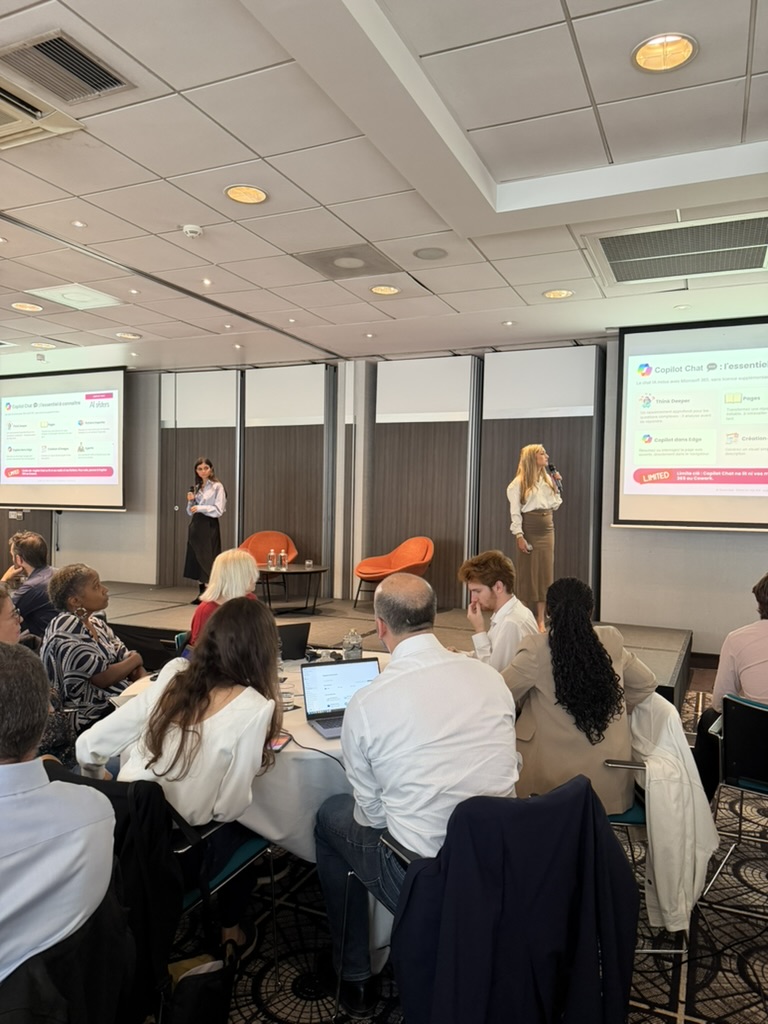
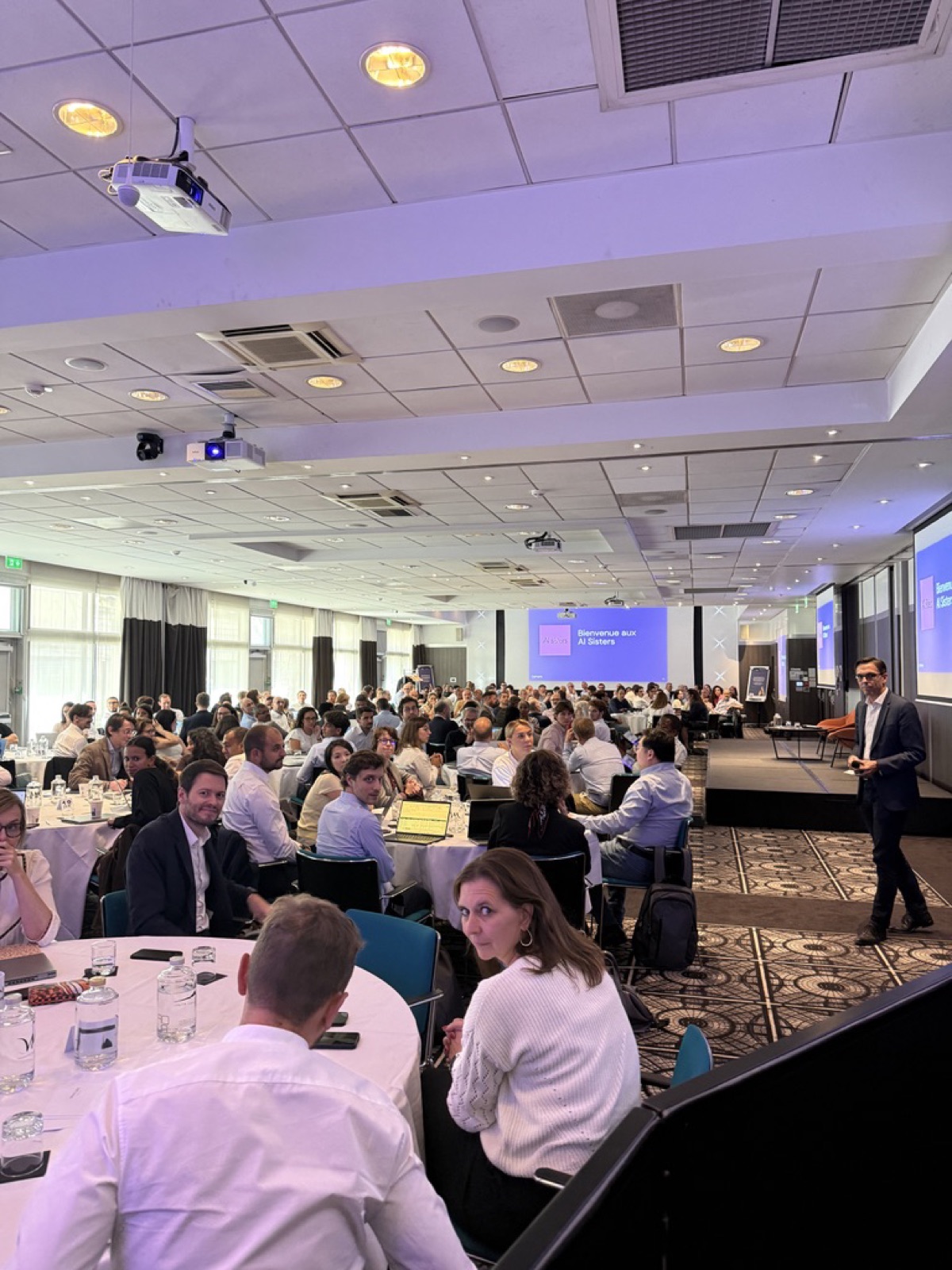
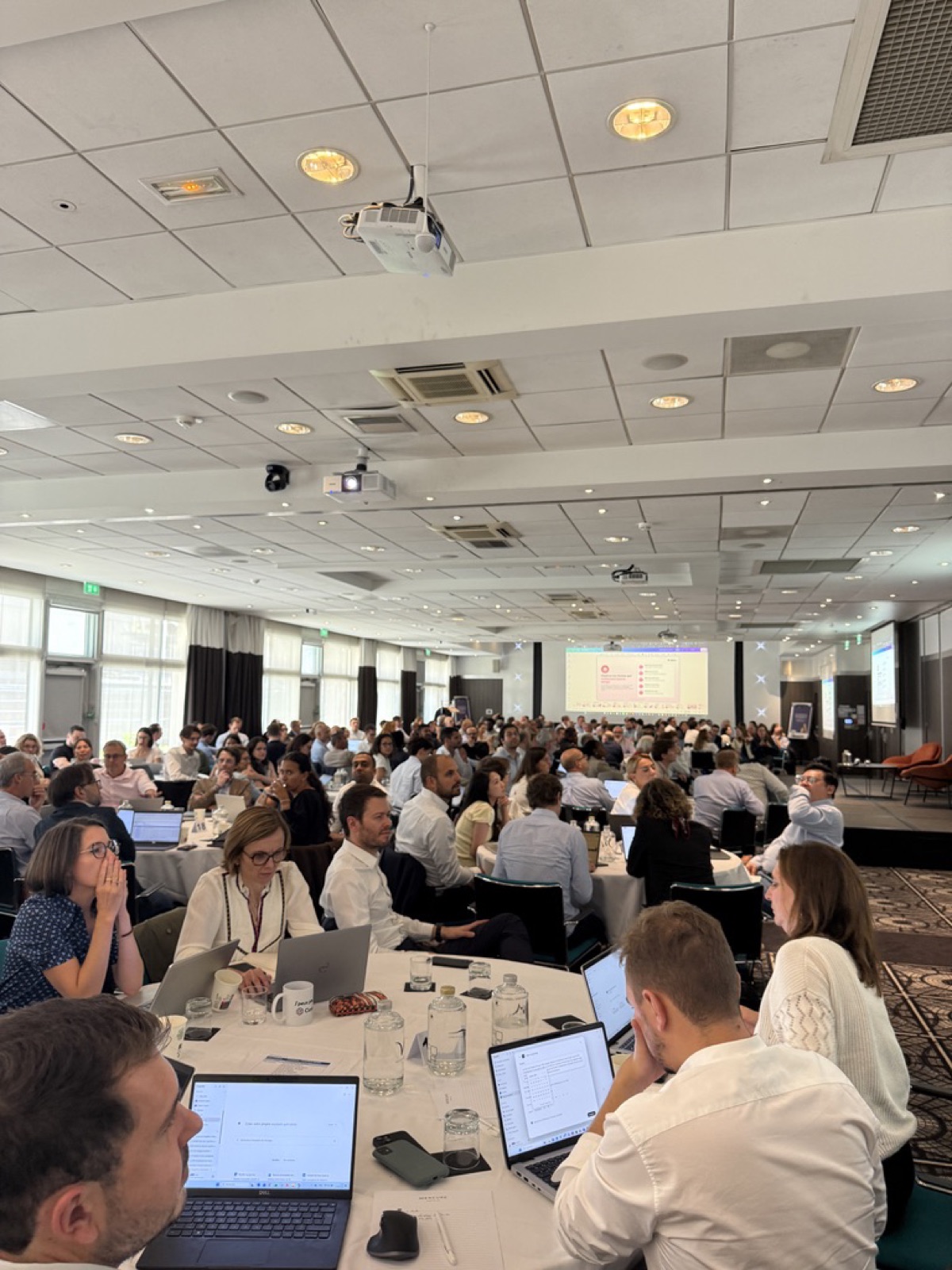
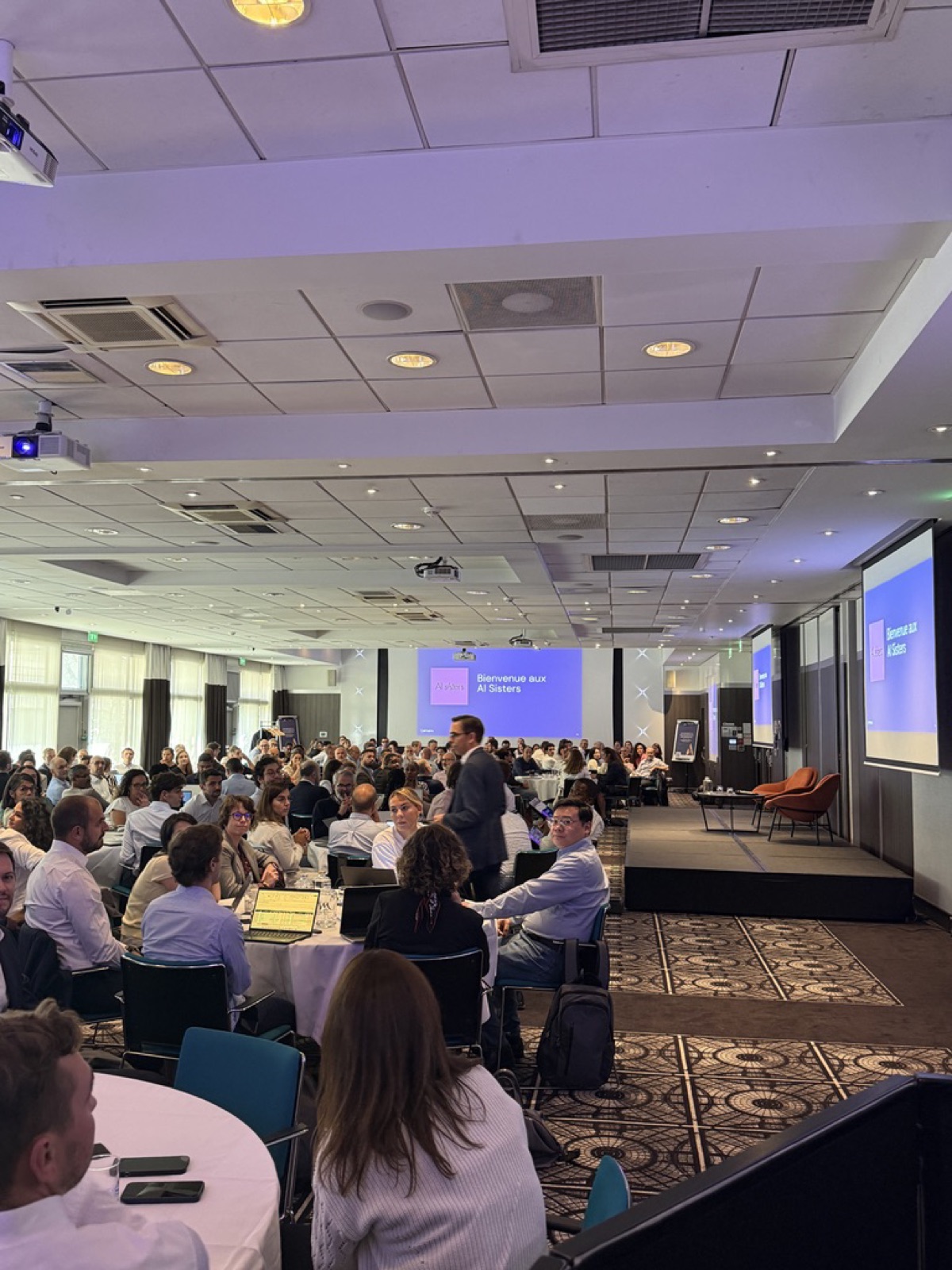
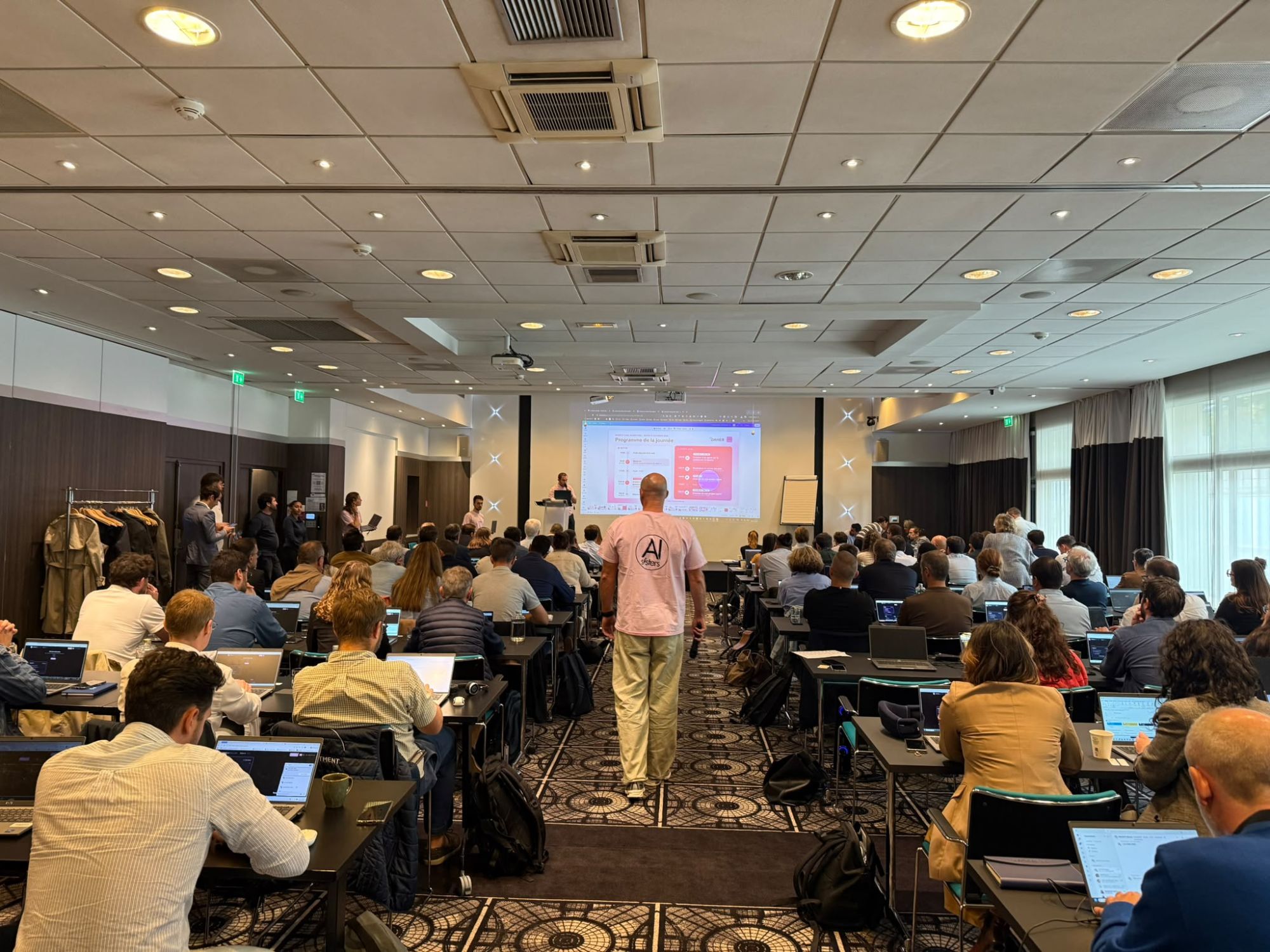
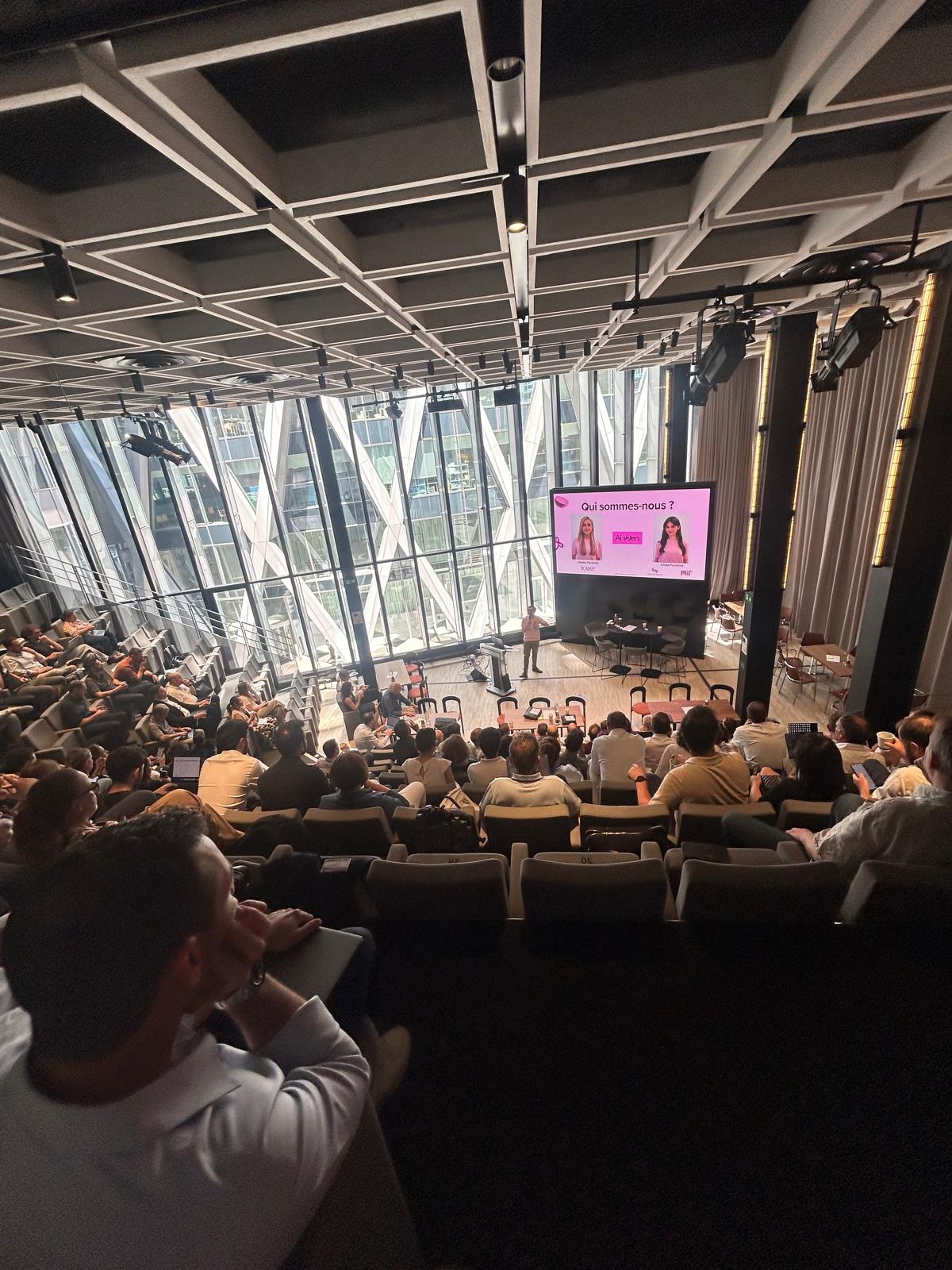
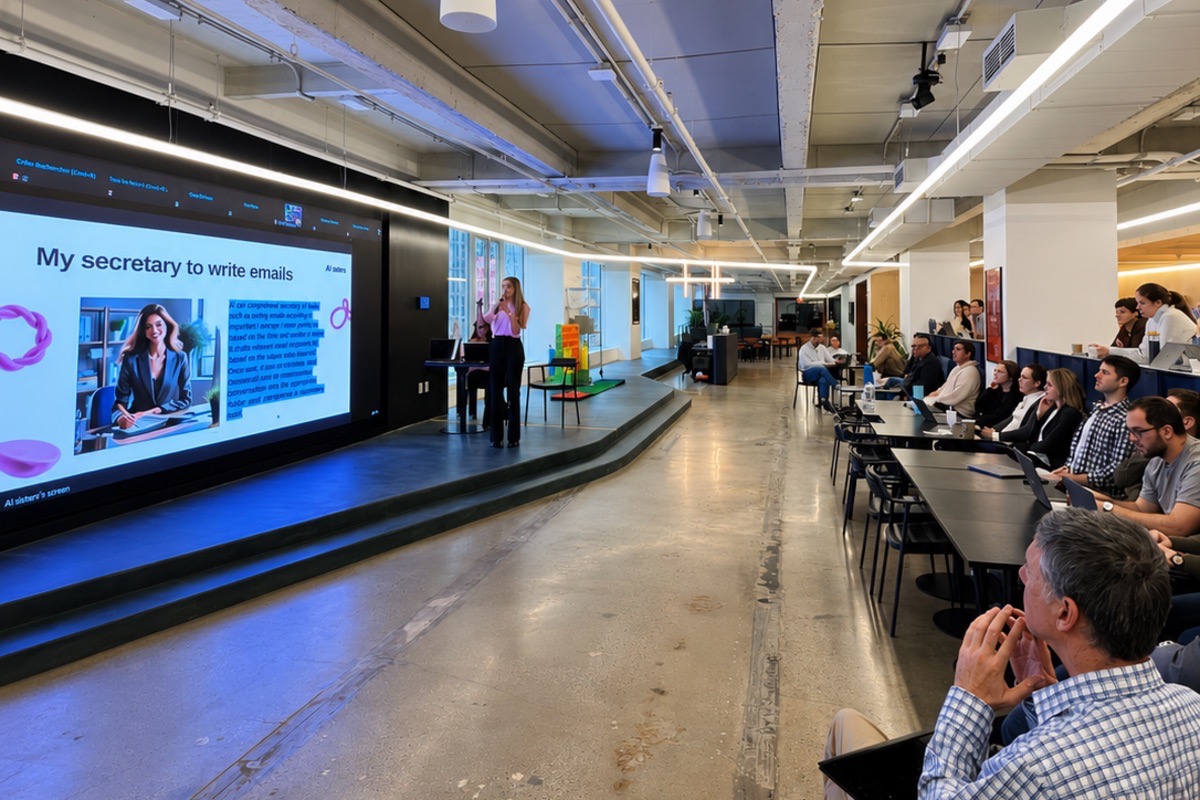
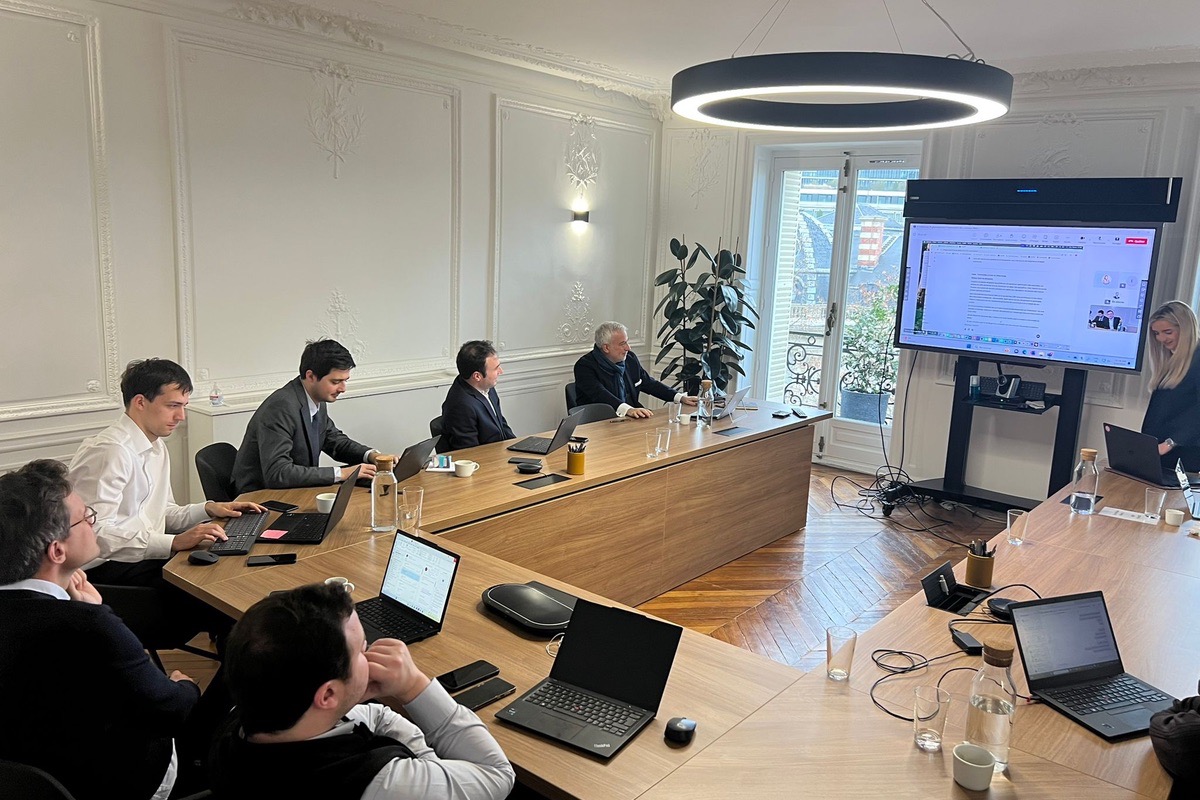
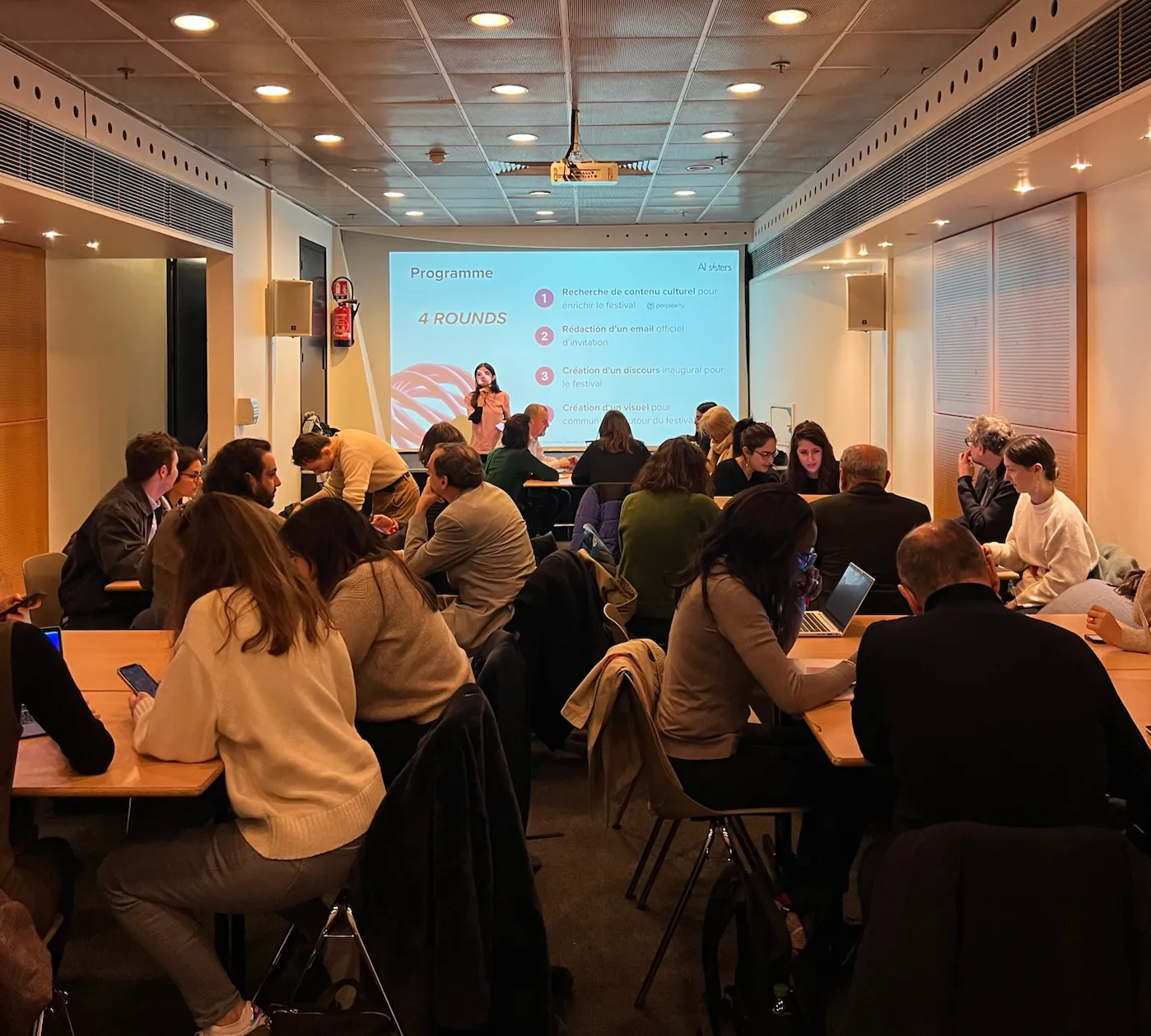
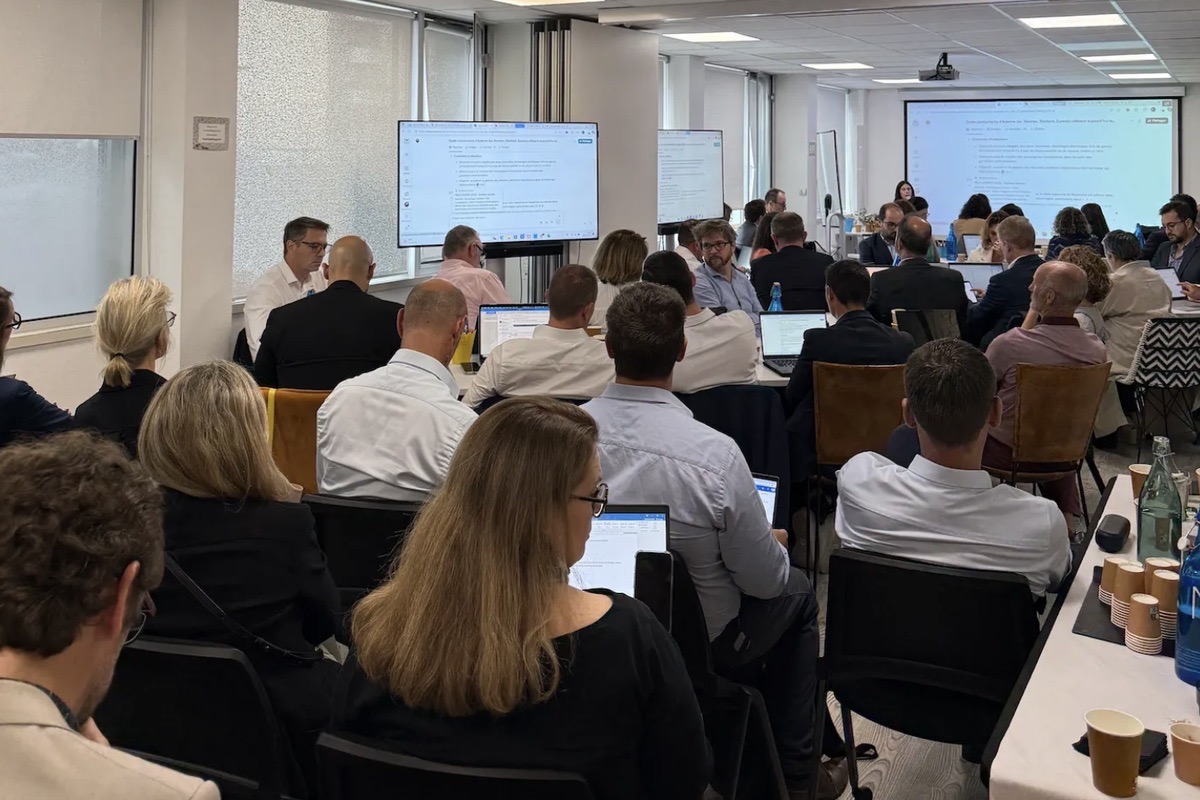
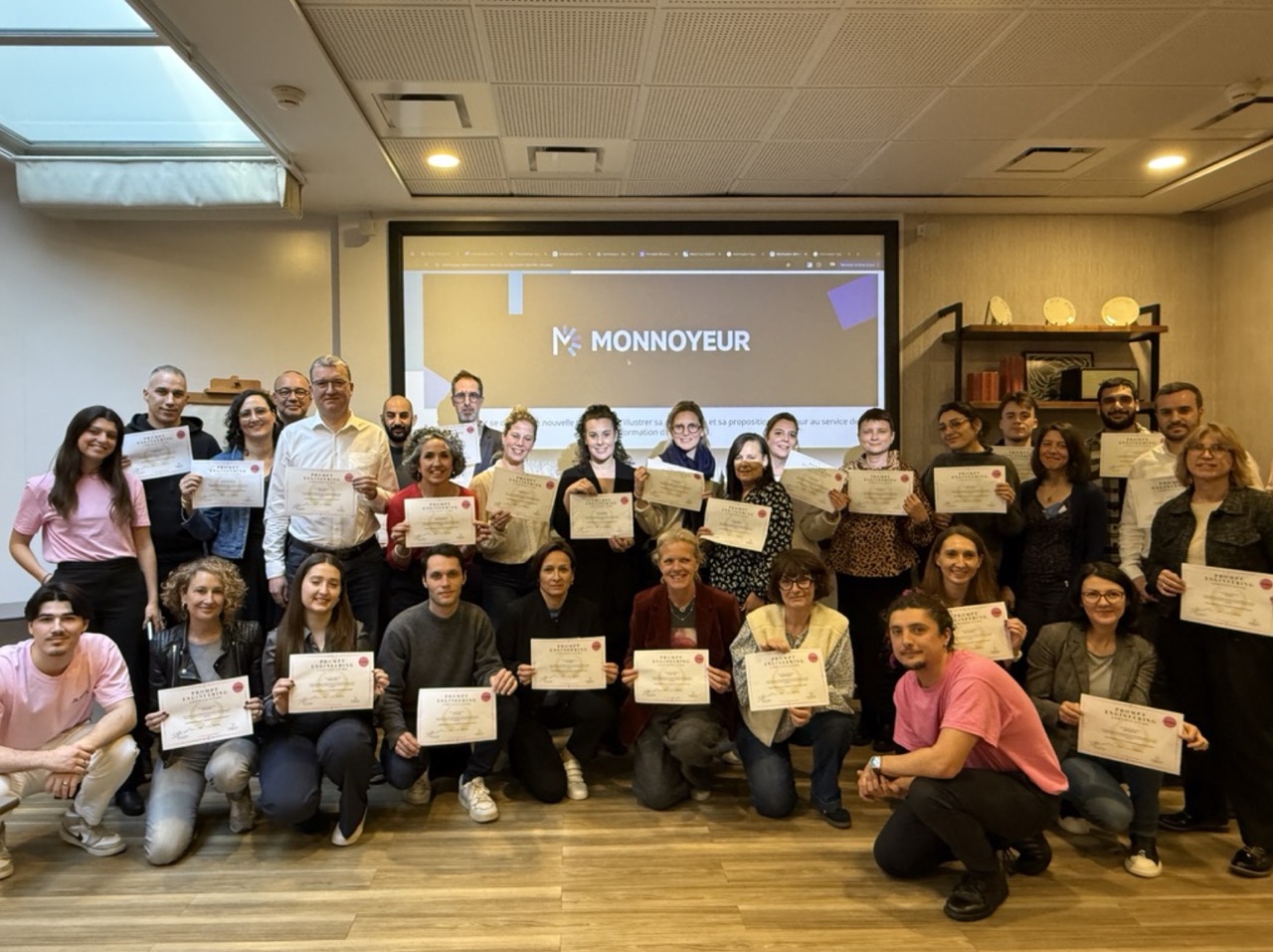
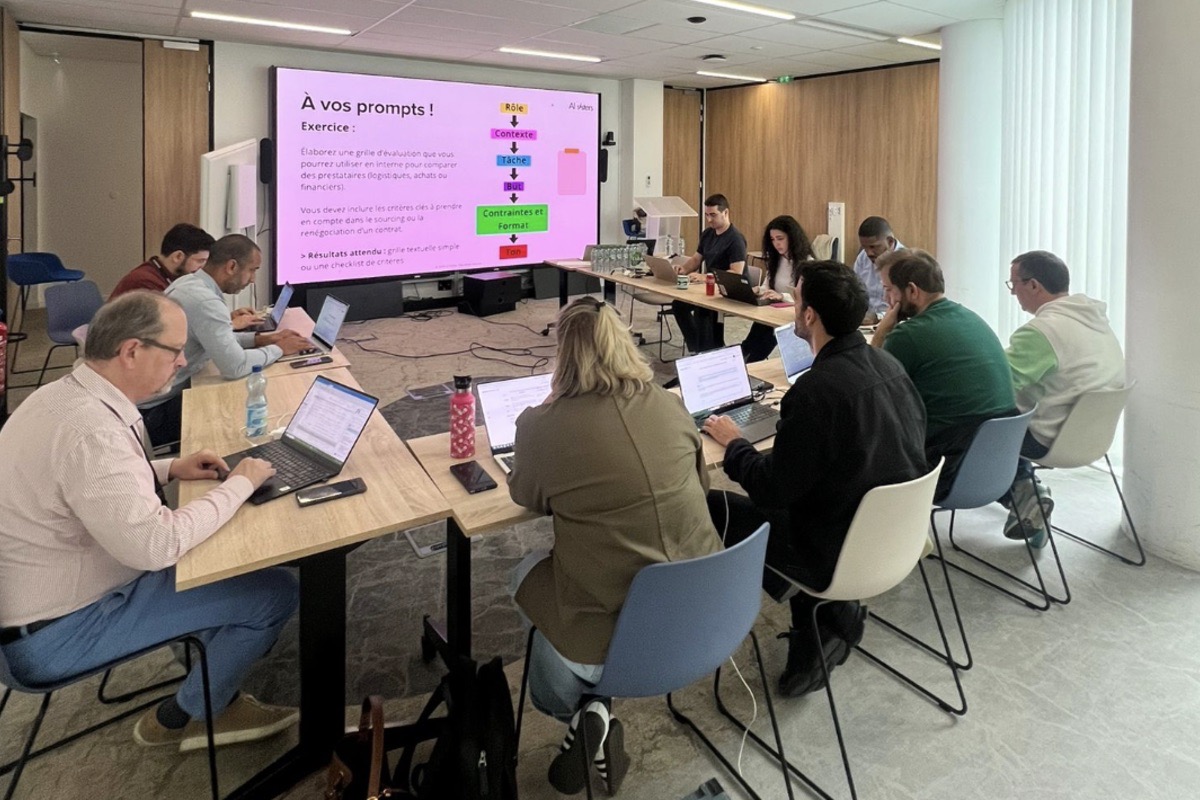
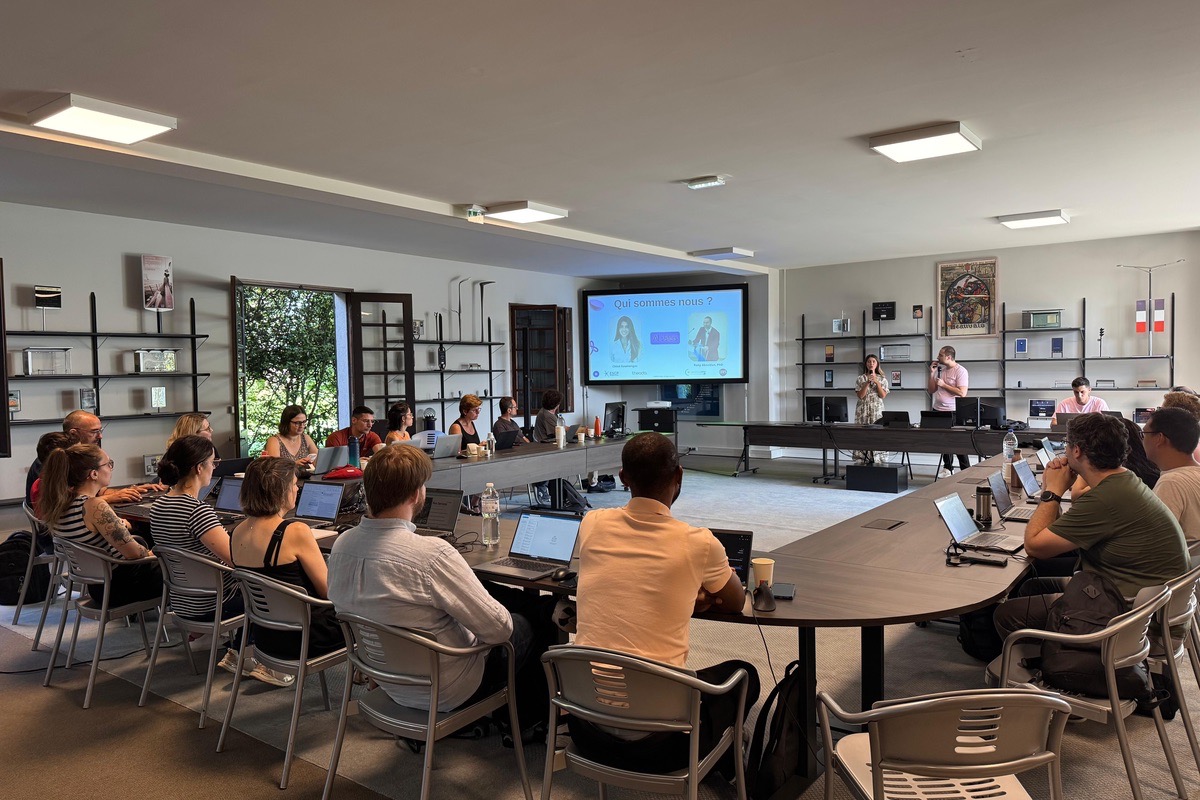
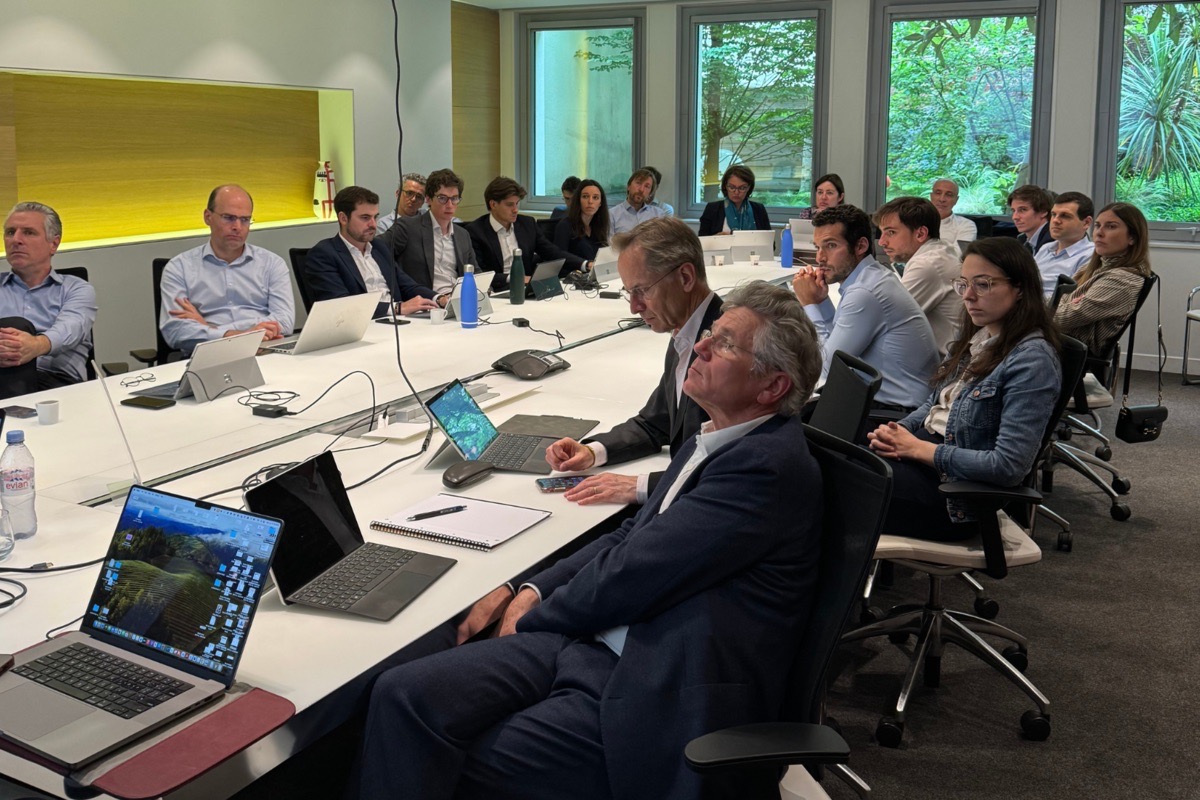
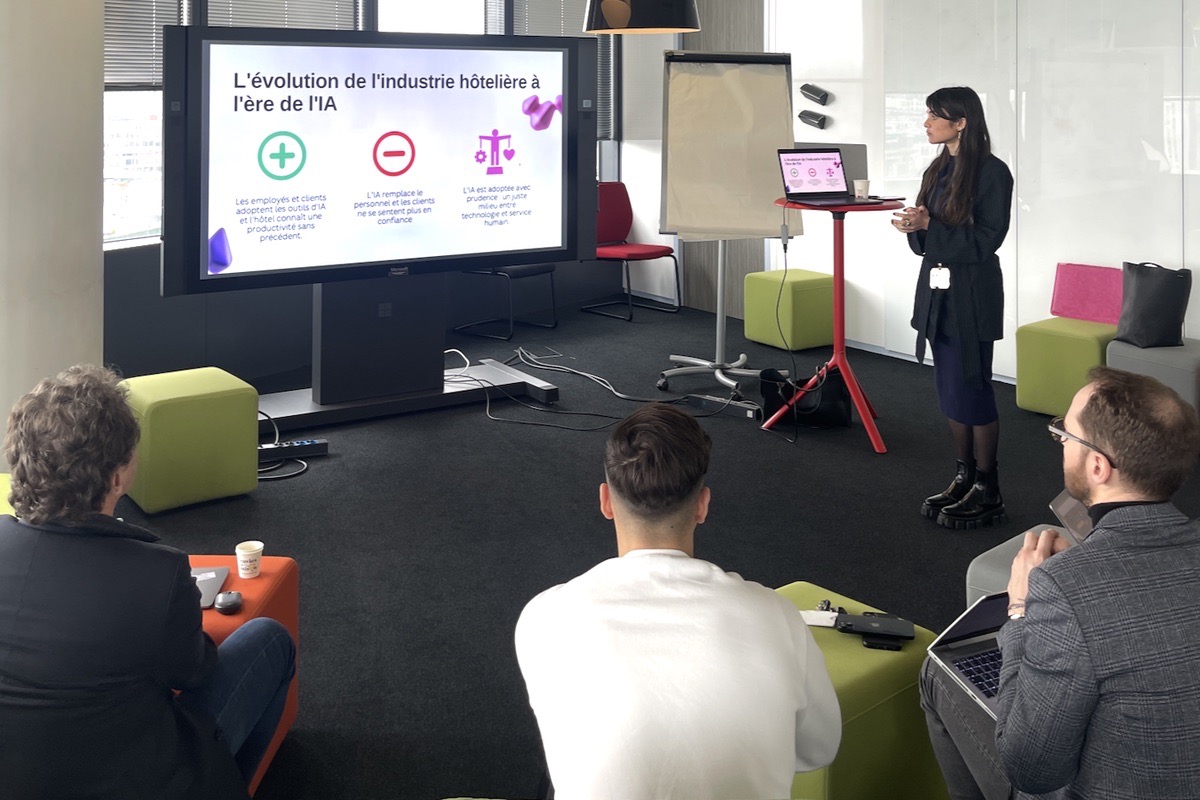
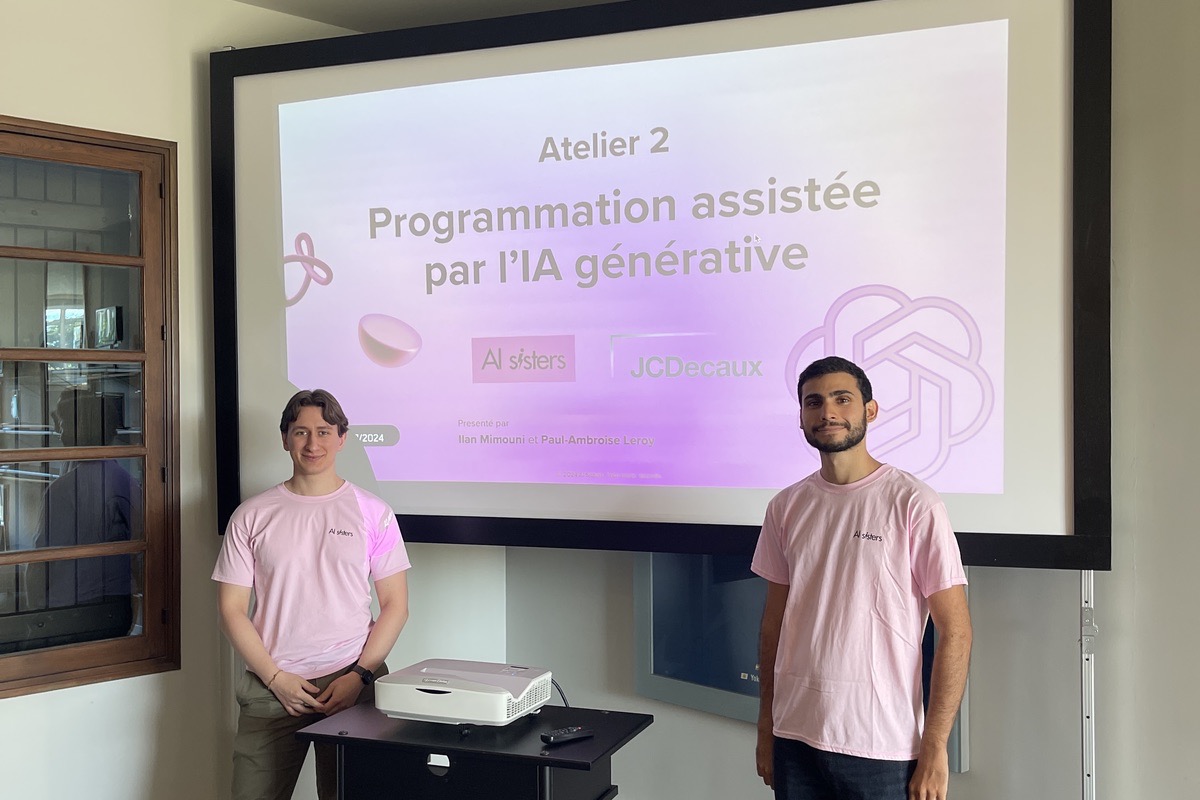
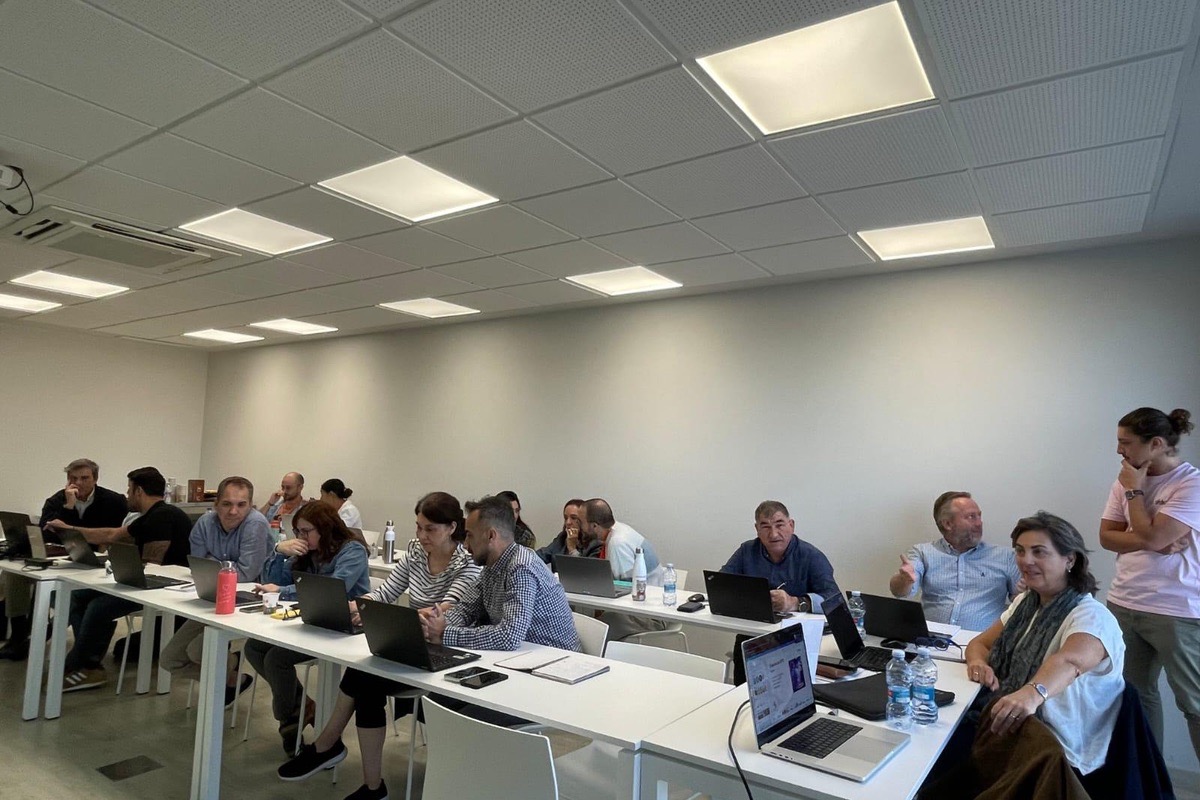
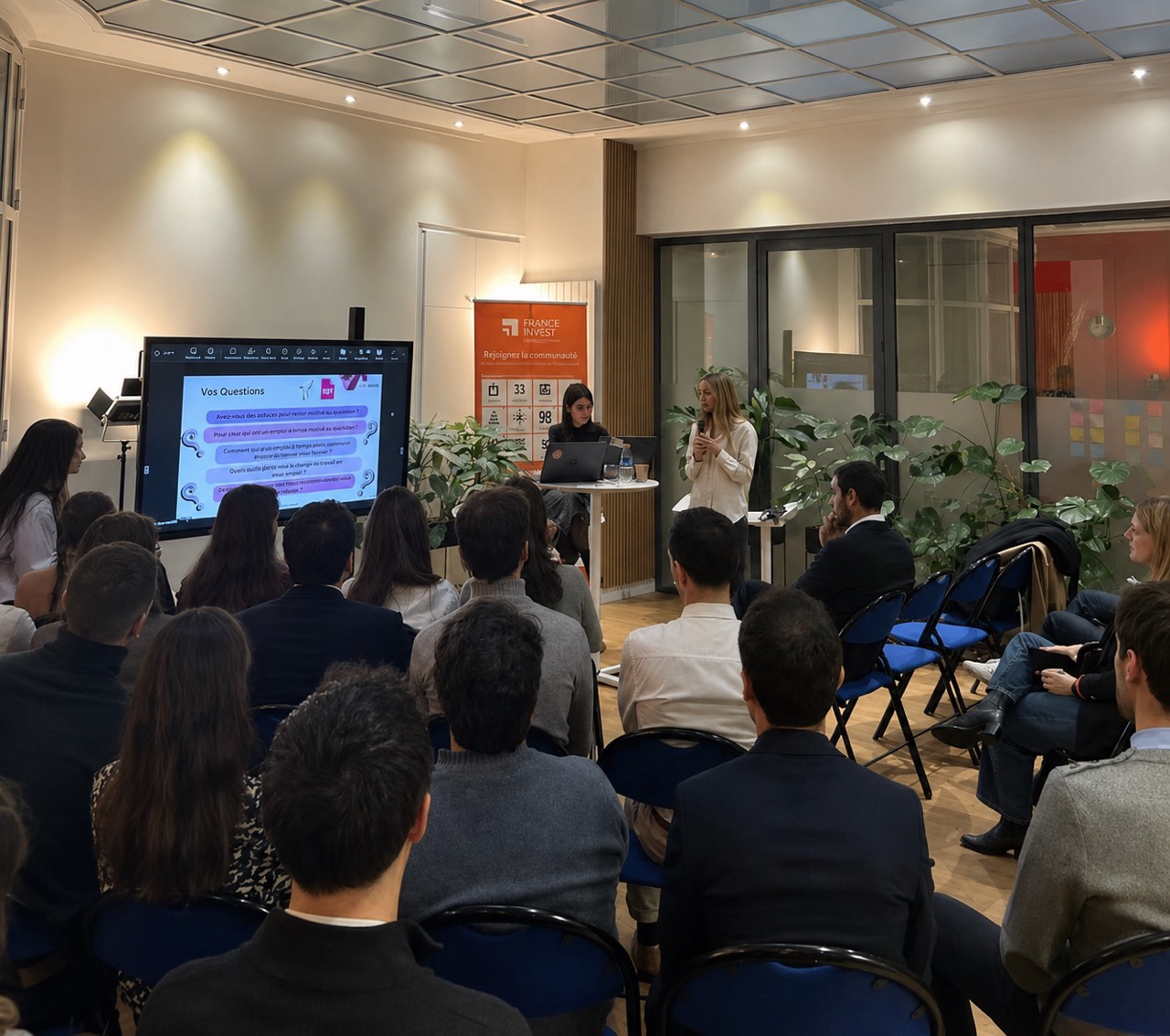
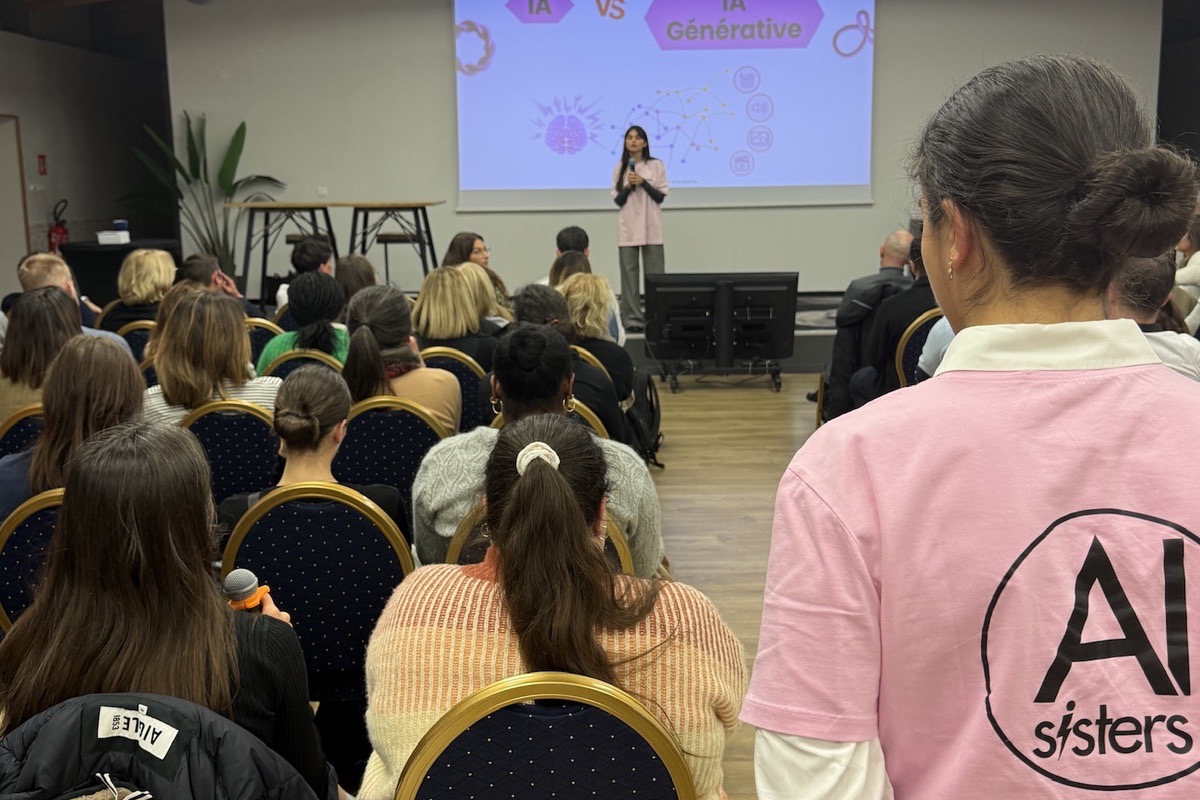
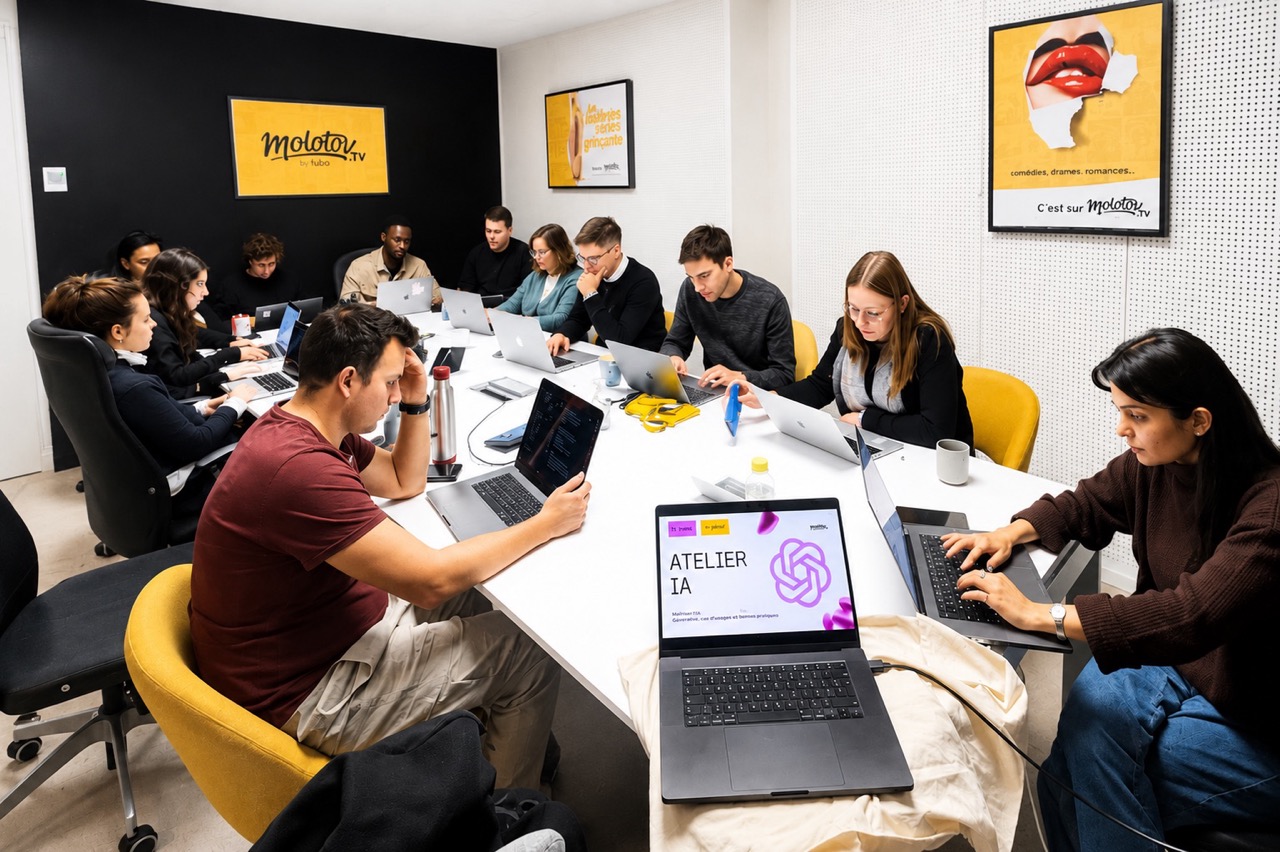
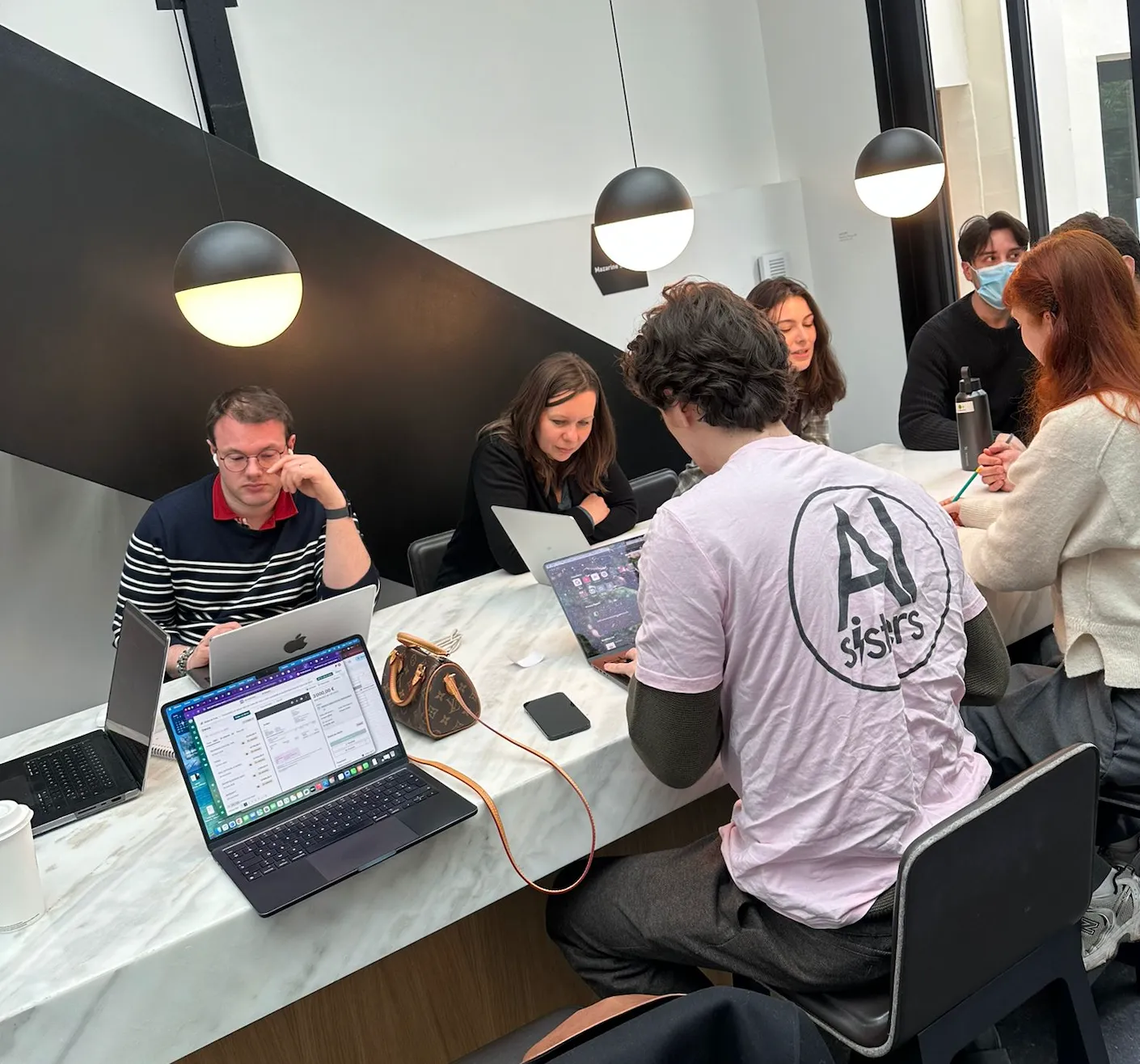
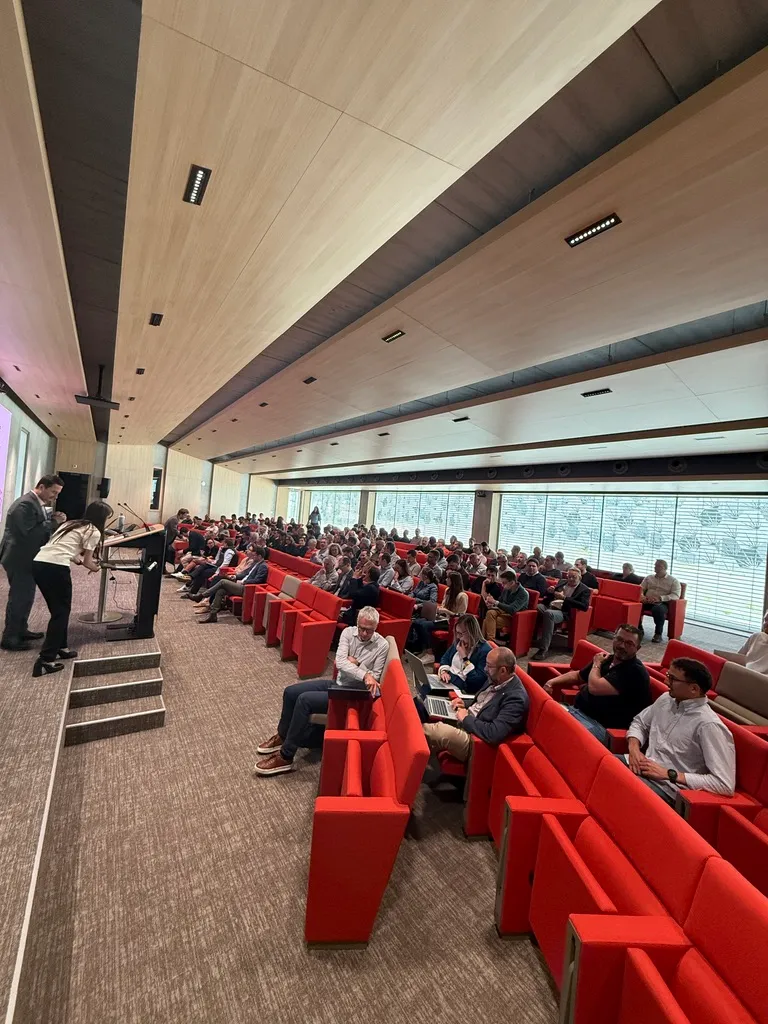
On 17 September, nearly 200 employees from Ipsen's finance, procurement and IT teams spent their afternoon on one thing: building their own AI agents on Microsoft Copilot.
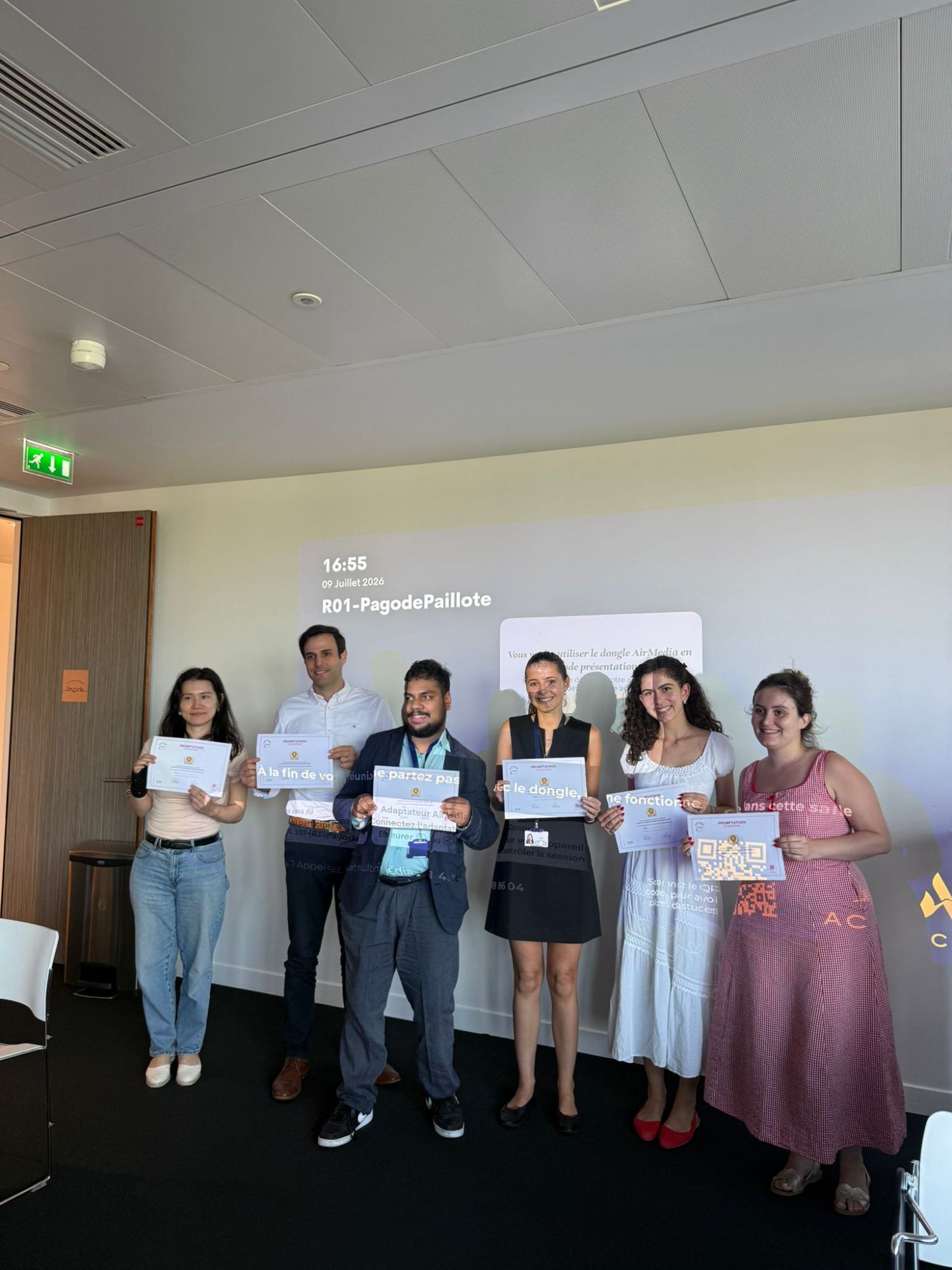
No conference, no demo watched from afar. An Agentathon, with teams, timed rounds, a jury and very real business cases.

The client
IPSEN is a global biopharmaceutical group specialising in oncology, rare diseases and neuroscience. Its finance, procurement and IT teams work in a regulated environment, where figures and the format of deliverables leave no room for approximation.
The challenge
Moving AI from the throwaway prompt to the reusable agent
Until now, AI use in the company had mostly been one-off. You spend ten, twenty, sometimes thirty minutes explaining a problem to Copilot before finally getting a good result. Then the conversation closes, and you have to start all over again next time.
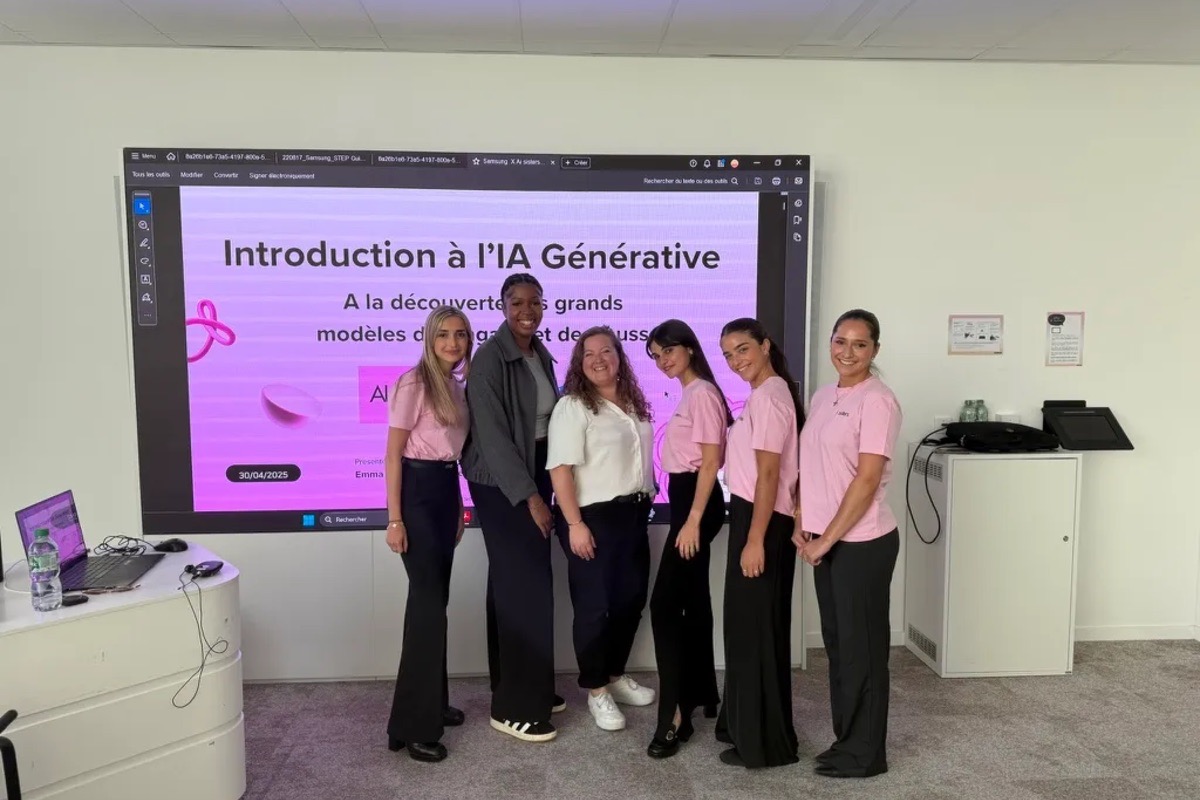
An AI agent solves this problem: it is a prompt you keep, a procedure written once, tested, then shared with a whole team. The challenge set for AI Sisters: get the teams to build these agents themselves, in one afternoon, on the Microsoft 365 environment they already use.
The prompt that gets lost
Every conversation starts from scratch. The know-how stays in the head of whoever found the right prompt.
Recurring tasks
Month-end close, management commentary, reporting, file updates: the same steps, every month.
Stable input data
P&L, Excel exports, approved commentary. Always the same sources, always the same structure.
Deliverables in the expected format
A note for the committee, a table, a summary email. This is exactly the profile of a good AI agent use case.
Are your finance teams still using a throwaway prompt at every close?
We get them building their first agents, on your real files.
Our approach
Our Copilot Agentathon for Ipsen's finance teams
Ipsen works in the Microsoft 365 environment. The whole Agentathon was therefore built on Copilot, the tool the teams already have to hand.
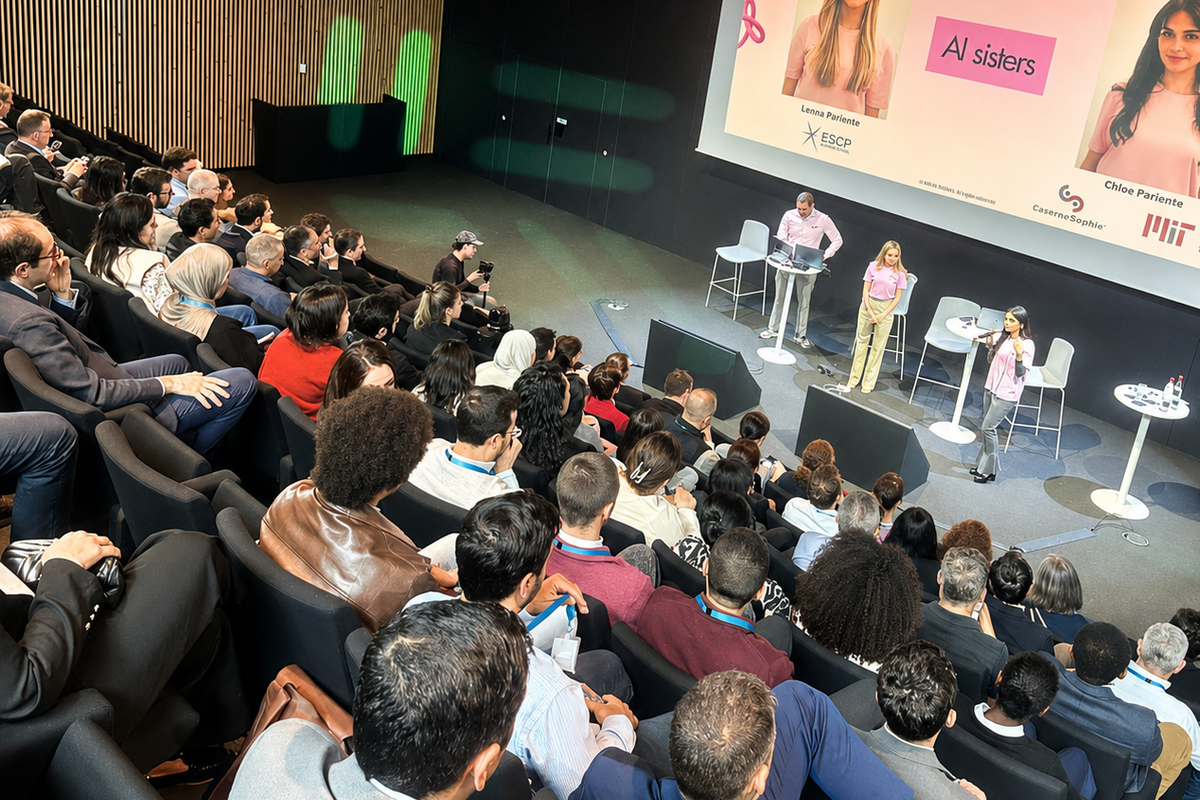
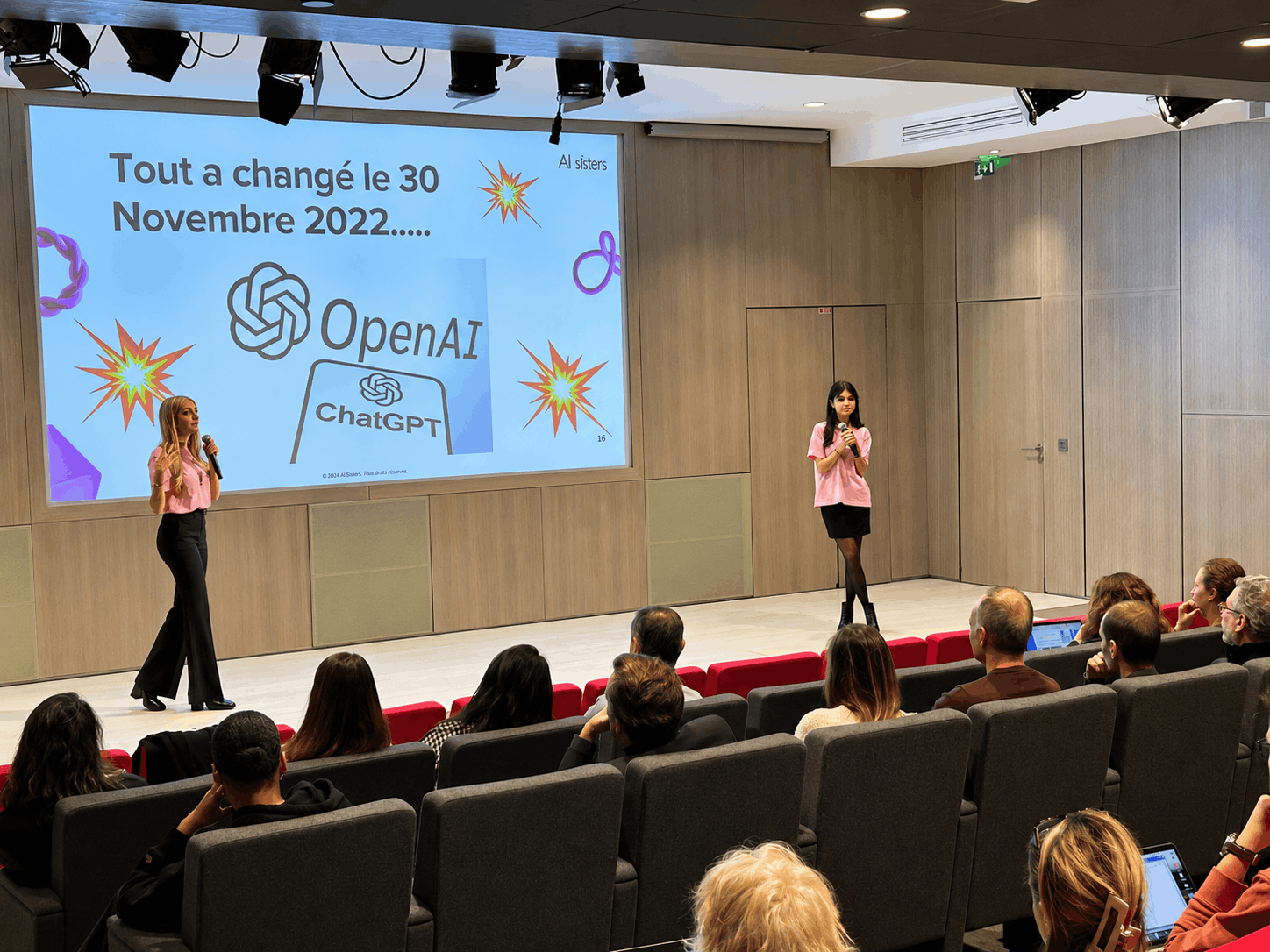
The opening AI Show
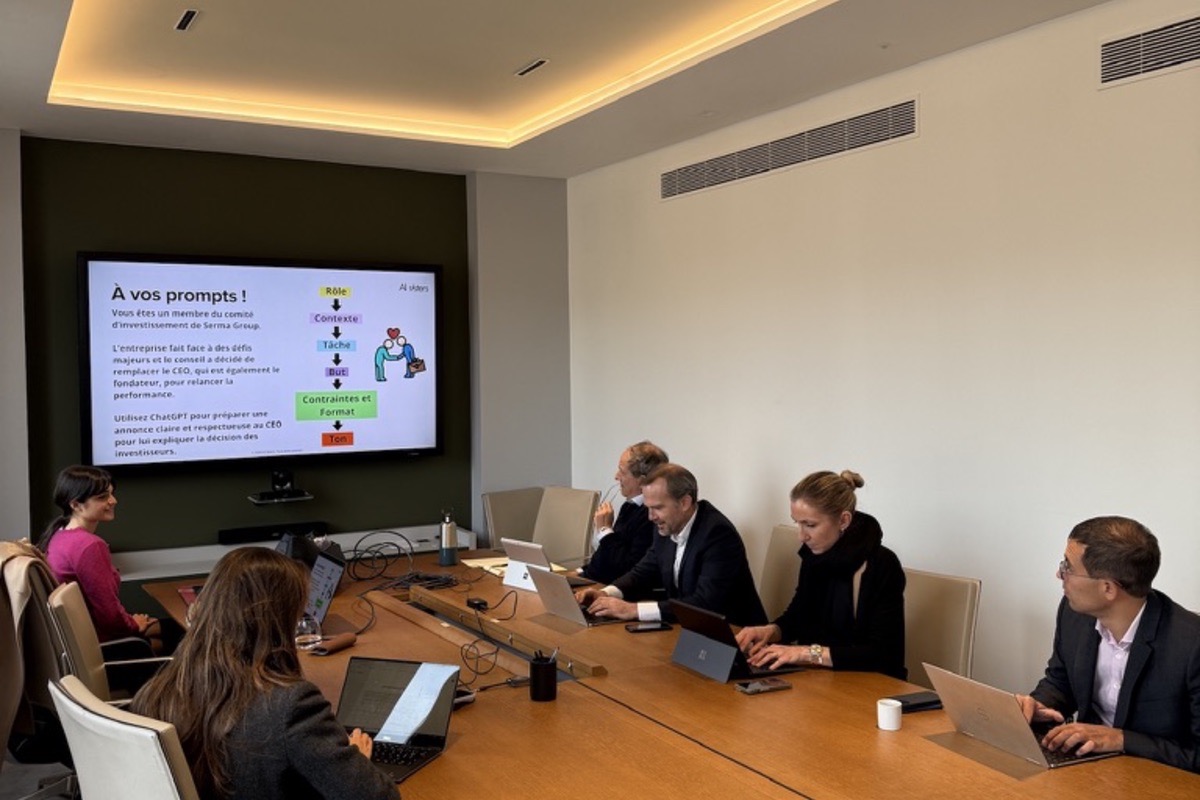
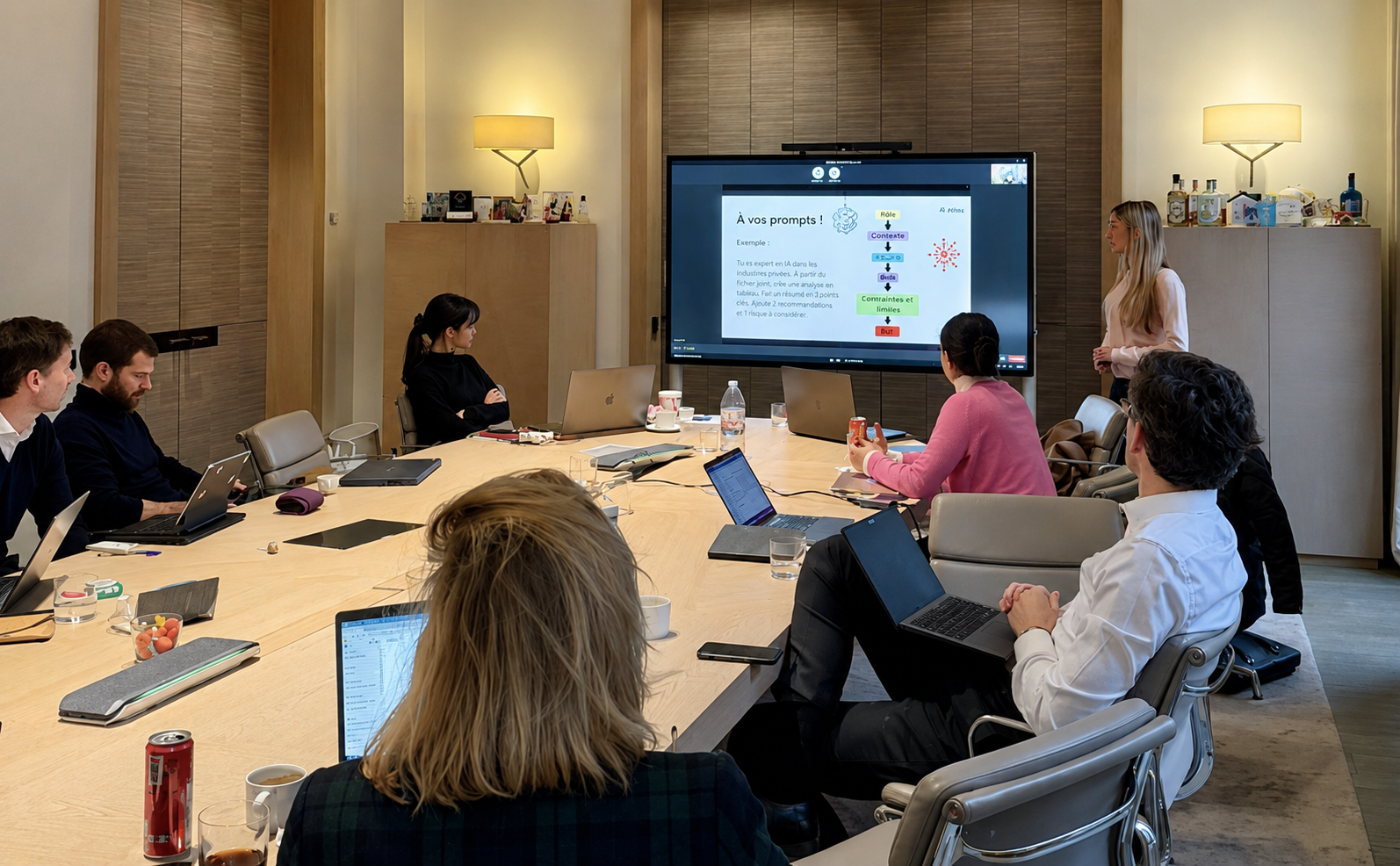
Understand before building. The basics of generative AI, the three levels of Copilot (Copilot Chat, which answers; Copilot 365, which assists in Word, Excel or Outlook; Copilot Cowork, which carries out a task end to end) and the structure of an effective prompt: role, context, task, goal, constraints and format, tone.
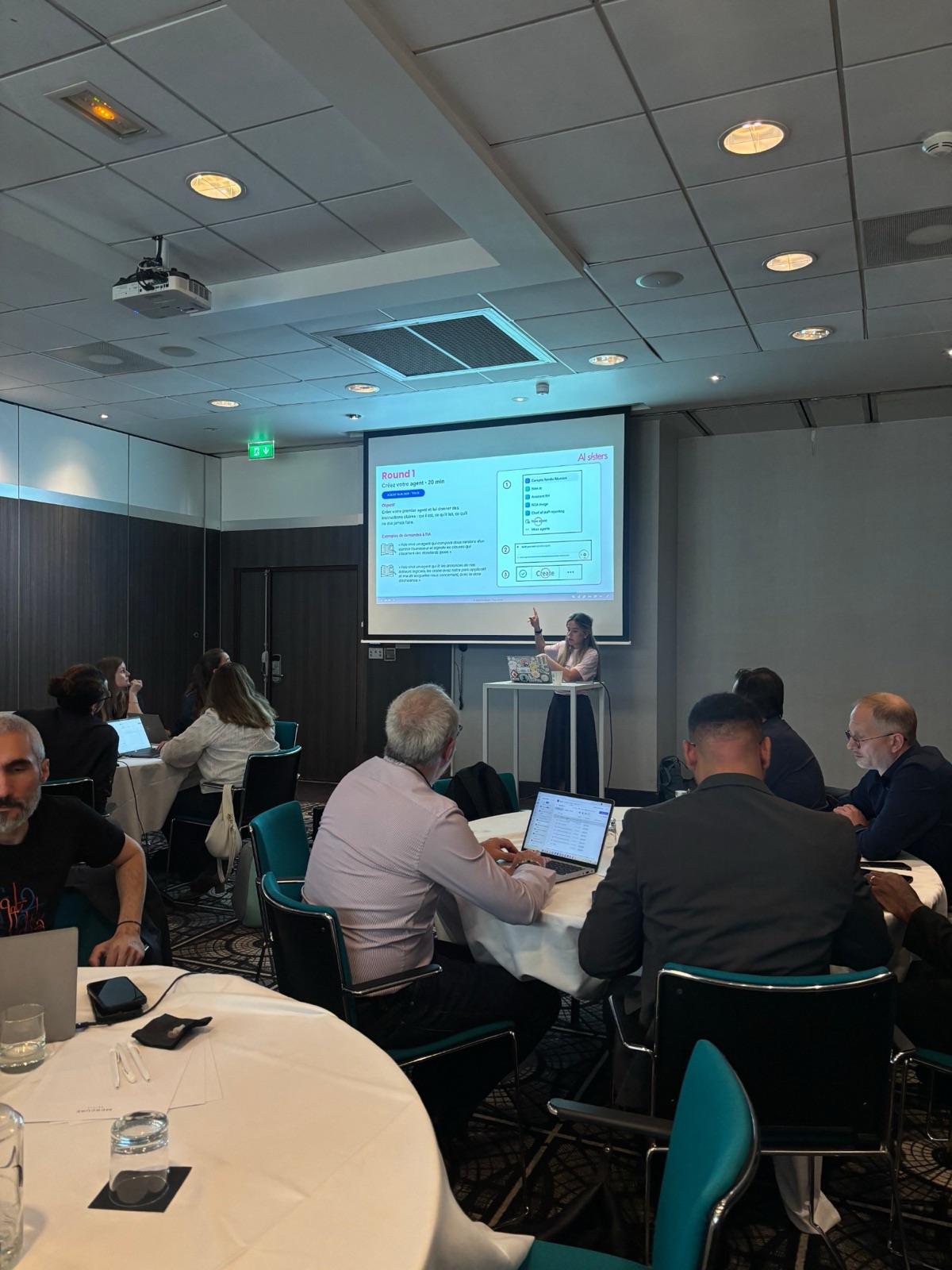
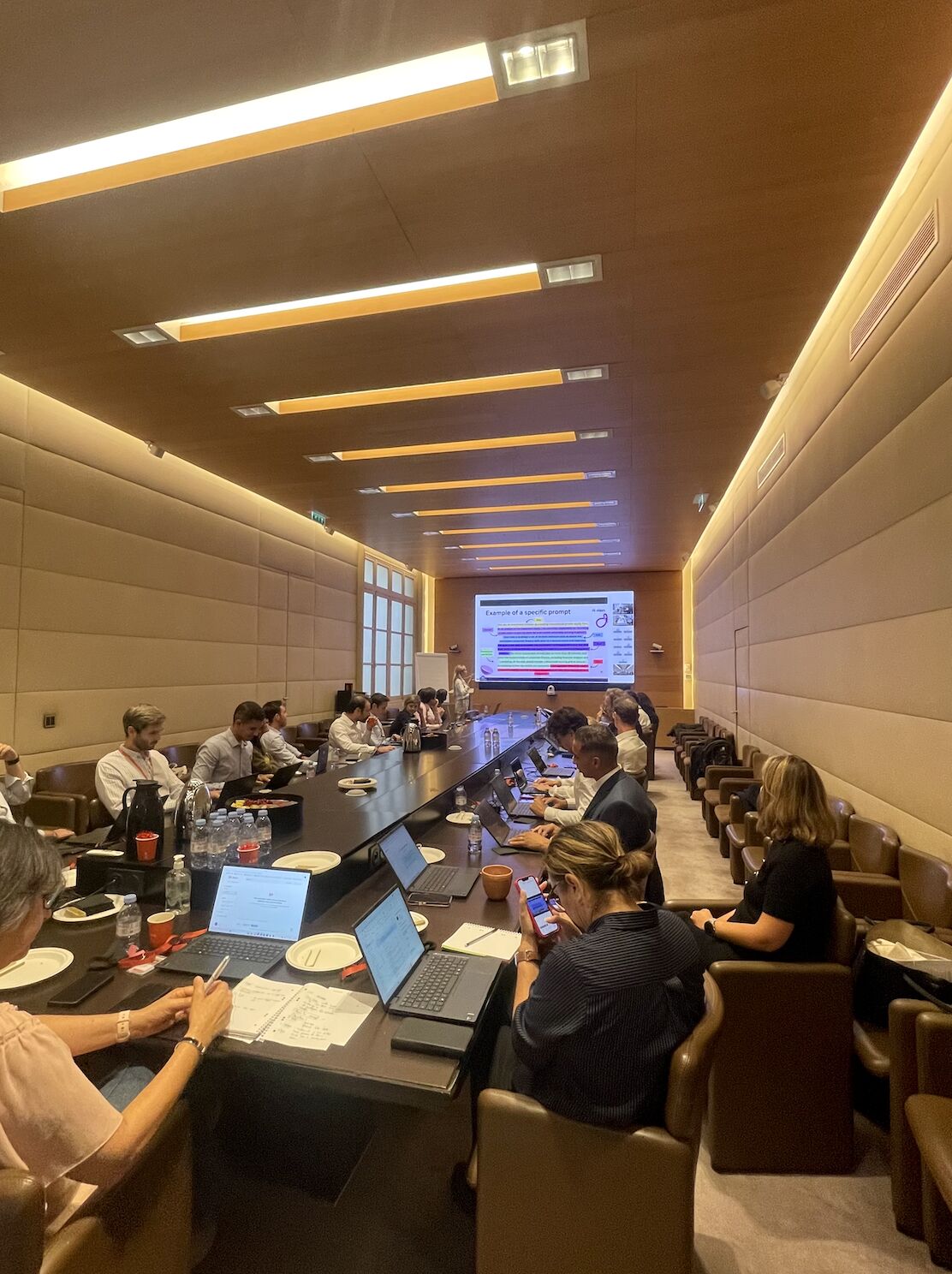
6 rounds of 20 minutes
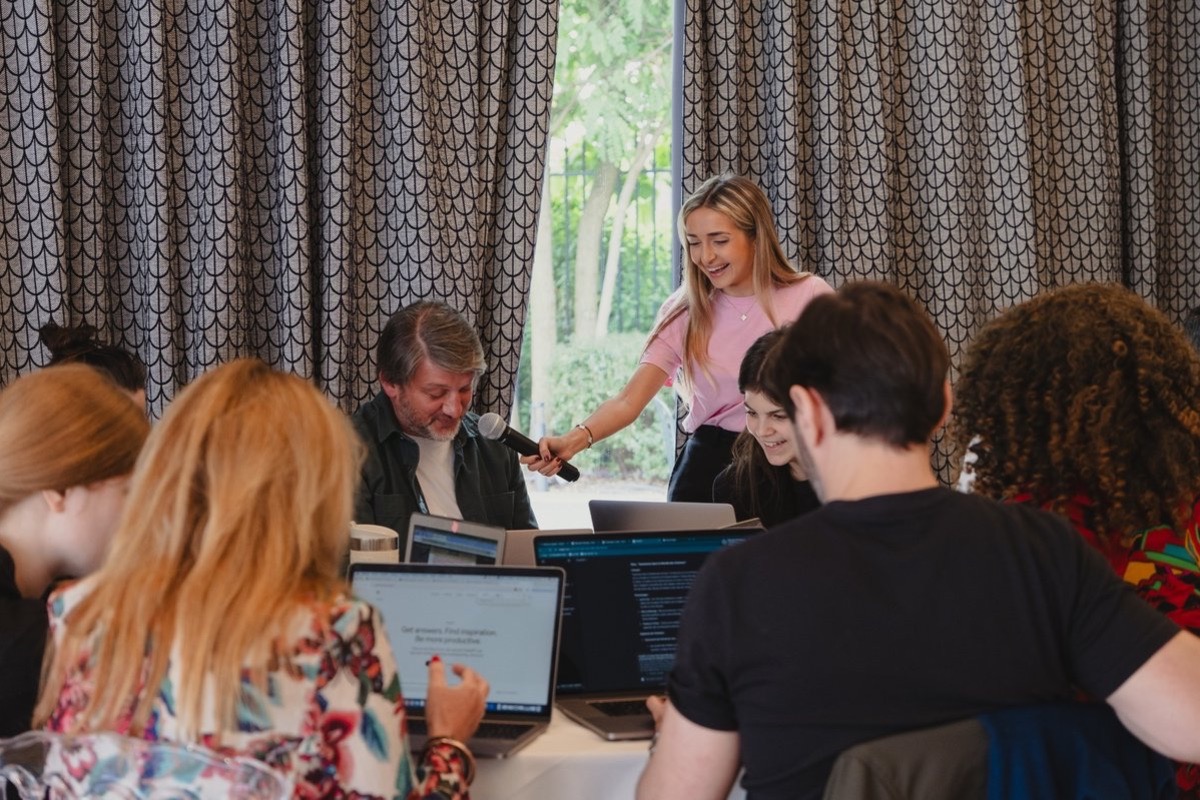
Participants split into teams by function. Round 1: create your agent and give it clear instructions. Round 2: add your business documents. Round 3: question it to check that it cites its sources without making things up. Round 4: improve it by comparing the V1 and V2 answers to the same question. Round 5: connect it to Outlook, Teams or SharePoint. Round 6: formalise the business pain point and the time saved. Everyone works in Agent Builder, the champions also work in Copilot Studio, and every round is scored live on the AI Sisters platform until the final jury.
The DTR method: Data, Task, Result
To avoid "help me with this document", each team structures its agent with the DTR method, developed by Loïc Dworzak. Data: what source data I give it. Task: exactly what I ask it to do, whether summarise, compare, extract or draft. Result: what the deliverable should look like, a table, an email, a summary.
Guardrails, written into every agent
This is what reassures finance teams most. The agent recalculates nothing: it rephrases and prioritises, and the figures do not change from one version to the next. Management control approves before anything is circulated. The agent does not make things up: if data is missing, it says so. And it observes without deciding. The right question before building: what happens if it gets it wrong? If the error is reversible, you automate more. If it has a financial or regulatory impact, you keep human approval.
Want to see what a tailored Agentathon looks like?
ChatGPT, Claude or Copilot: we adapt it to your roles and your tools.
Use cases
The 4 AI agents built during the Agentathon
One case per function, defined beforehand with Ipsen, demonstrated live on demo data, then built by the teams.
Finance: multi-audience reporting
→ The agent receives the approved closing commentary and the P&L by cost type
→ It produces three versions: 10 lines for senior management, one page for the committee, a detailed version for finance
→ It distinguishes phasing from overspend, because an overspend is an alert whereas phasing is a decision
→ It flags a function that has not commented rather than making something up on its behalf
Procurement: preparing for negotiation
→ Three suppliers respond to a tender
→ The agent sorts each claim into three categories: stated, proven, missing
→ It draws from them the negotiation questions to ask
Cross-functional: document comparison
→ Two versions of a project plan, compared section by section
→ In the demo: a budget stated as €468,000 whose lines only add up to €458,000
→ And a late-delivery penalty removed without any mention
IT: software vendor monitoring
→ Out of 14 software vendor announcements, the agent keeps the 8 that actually concern the application estate
→ Sorted by deadline
→ The fastest teams went on to a bonus case much awaited by finance: updating the transfer pricing file
Results
The results of the Ipsen Agentathon
finance, procurement and IT employees brought together
rounds of 20 minutes
An AI agent in finance, with the guardrails to match?
Let's talk about your use cases and their level of risk.















.jpeg)




































































.png)
.jpeg)


















.avif)
